
How to Track Your Progress in Speed Reading
When you're working on speed reading, tracking your progress is essential to measure improvements and identify areas that need attention. You might start by recording your words per minute and comprehension scores, but there's more to it than just numbers. By setting realistic goals and maintaining a structured practice routine, you create a framework for success. However, it's not just about self-assessment; engaging with a community can provide valuable insights. So, how do you guarantee your efforts translate into tangible growth?
Understanding Speed Reading Metrics
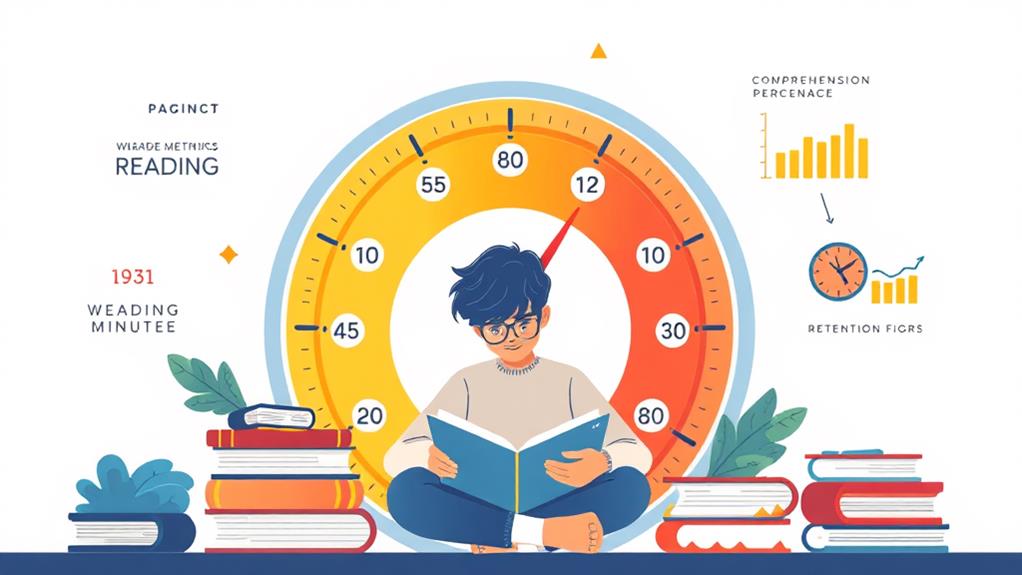
When it comes to understanding speed reading metrics, you'll find that measuring your reading speed in words per minute (WPM) is essential. Knowing your WPM isn't just a number; it's a way to gauge your progress and set benchmarks. For example, the average reading speed for individuals aged 12 and older hovers between 200-250 WPM, while college students typically read around 300 WPM. To enhance your reading speed further, adopting techniques like active reading can greatly improve both speed and retention.
To truly understand where you stand, taking a speed reading test can be incredibly beneficial. These tests measure your WPM and help you track improvements over time. Regularly evaluating your reading speed and comprehension rates provides valuable insights into your growth and highlights areas needing more focus.
As you practice speed reading, aim to read faster than your target WPM. This approach trains your brain for quicker information processing. A consistent routine, combined with using reading logs or online tests, keeps you motivated and engaged in your journey. Remember, tracking your speed isn't just about the numbers; it's about fostering your love for reading and enhancing your skills. Embrace the process, and you'll see the rewards unfold!
Setting Realistic Goals
Tracking your progress in speed reading is only part of the equation; setting realistic goals plays an essential role in your improvement. Start by determining your current reading speed and then set a target WPM that's both achievable and challenging. For instance, aiming to increase your speed by 50 WPM within a month can be a motivating target.
Break your overall goal into smaller milestones. You might decide to increase your reading speed by 10-20 WPM each week. This way, you can maintain motivation as you track your progress week by week. Regular assessments through timed exercises and online tests will help you compare your results against your initial benchmarks, allowing you to adjust your practice routine as needed.
Creating a consistent practice schedule is key. Dedicate 15-30 minutes daily to speed reading exercises. This commitment will reinforce your habits and promote steady improvement. Finally, don't forget to celebrate your achievements, no matter how small. Recognizing these milestones will keep your spirits high and encourage you to continue your speed reading journey. Remember, setting realistic goals is your roadmap to success!
Measuring Your Reading Speed
Measuring your reading speed is a crucial step in your speed reading journey. To get started, grab a 100-word passage and time how long it takes you to read it. Once you have your time in seconds, divide the total number of words—6,000—by that time to find your words per minute (WPM). This simple calculation gives you a clear picture of your reading speed.
It's important to conduct multiple trials to verify accuracy. Your focus levels and the difficulty of the text can cause fluctuations, so don't be discouraged by variations. Regular assessments not only help you track improvements but also enhance comprehension.
Consider using online speed reading tests, which provide a structured way to measure your reading speed against established benchmarks. This can be a great motivator!
As you progress, aim to practice reading at a speed that exceeds your target. If your goal is 900 WPM, practice at 1,800 WPM. This technique pushes your skills and boosts your overall reading proficiency. Remember, measuring your reading speed is just the beginning of your exciting journey toward becoming a faster reader!
Keeping a Reading Log
How can you effectively monitor your reading journey? Keeping a reading log is a powerful way to track your progress and stay motivated. Start by jotting down the titles of books or articles you read, along with the dates you finish them and the time spent reading. This creates a clear record of your achievements over time.
Don't forget to include metrics like your words per minute (WPM) and comprehension rates with each entry. This helps you spot patterns in your reading speed and understanding, giving you insight into your growth. Regularly reviewing your reading log lets you celebrate milestones and set new goals, fueling your motivation for continuous improvement.
Incorporate notes on key takeaways or insights from each session. This reinforces what you've learned and boosts retention. If you prefer a modern approach, consider using digital tools or apps tailored for tracking reading progress. These often come with features like automated metrics and visual charts, making the process even easier.
Utilizing Online Tools
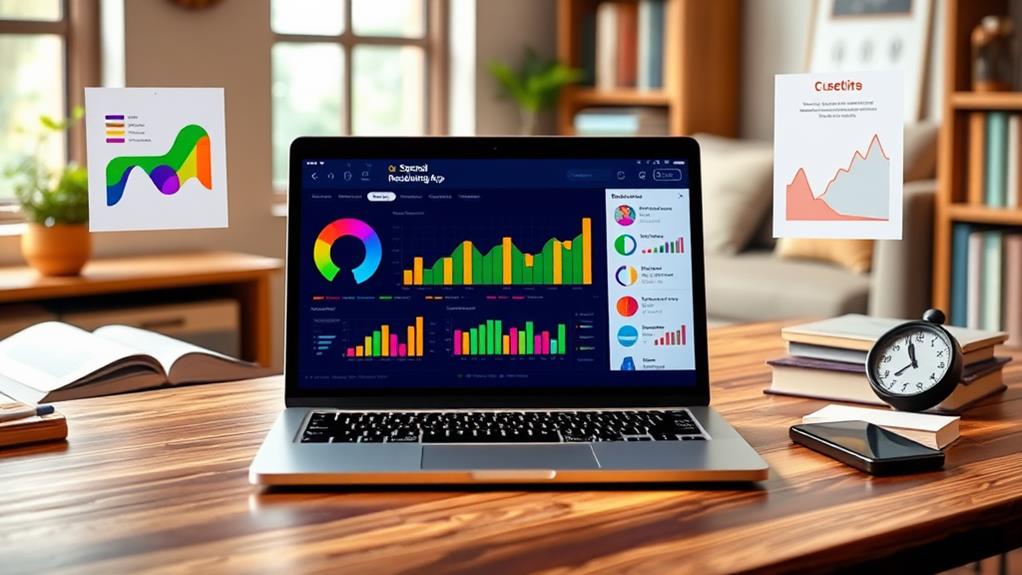
Embracing online tools can considerably enhance your speed reading journey. Start by utilizing online speed reading tests to gauge your current reading speed and comprehension rates. These tests provide a benchmark for improvement, helping you identify where you stand. Many platforms offer automated tracking of your metrics, making it easy to monitor your progress over time.
Engage with interactive speed reading exercises available on various websites. These exercises allow you to practice your skills while receiving immediate feedback on your performance. You'll find that this instant response can be incredibly motivating. Additionally, progress charts provided by these tools help you visualize your improvements, making it easier to see how far you've come.
Don't forget to explore community features on speed reading sites. Sharing your achievements and learning from others' experiences can enrich your journey. You'll find support and encouragement, which can be invaluable as you work to enhance your speed reading skills. Remember, the more you engage with these online resources, the more effectively you'll track and boost your reading abilities. So immerse yourself, and let these tools guide you toward becoming a more proficient reader.
Tracking Comprehension Scores
To truly improve your speed reading, it's essential to track your comprehension scores. Regularly testing your understanding by summarizing what you've read or answering questions can reveal how well you retain information. By analyzing these retention rates alongside your reading speed, you can guarantee that you're not just reading faster but also comprehending better.
Comprehension Assessment Techniques
Tracking your comprehension scores is essential for measuring how well you understand what you read. To assess your comprehension effectively, consider using quizzes that challenge your grasp of key points and themes. These tests can reveal how much you really remember, highlighting areas where you might need to focus your efforts.
Regularly checking your comprehension can also help you see how reading speed impacts understanding. If you notice a dip in comprehension scores, it might be time to adjust your reading strategies. Online tools are great for this; they often offer immediate feedback through comprehension quizzes right after your reading sessions.
Additionally, summarizing the main ideas or answering specific questions afterward can serve as practical methods to assess your understanding. This practice not only reinforces what you've learned but also tracks your improvements over time. Remember, the goal is to find a balance between speed and comprehension. By consistently evaluating your comprehension scores, you'll empower yourself to become a more effective reader and enjoy your learning journey even more. Keep at it, and you'll see the progress unfold!
Analyzing Retention Rates
Analyzing retention rates is essential for understanding how well you remember what you read. To gauge your progress, regularly assess your comprehension by summarizing key points or answering questions after each session. This practice helps measure your retention and guarantees you're grasping the material effectively.
You can also utilize comprehension tests that correlate with your reading speed. These tests reveal the relationship between how fast you read and how well you understand, helping to identify any weaknesses in retention. Keep track of your comprehension scores over time. This way, you can confirm that increasing your reading speed doesn't come at the cost of understanding.
It's helpful to compare retention rates from different reading materials. Some genres or formats might resonate better with your reading style, yielding higher comprehension scores. Maintaining a reading log that tracks both your comprehension scores and your reading speed will give you a clear visual of your progress. This log can be a powerful tool for making informed adjustments to your practice techniques. By focusing on retention, you'll enhance both your speed and understanding, creating a more enriching reading experience.
Establishing a Practice Routine

While developing your speed reading skills can feel overwhelming at first, establishing a consistent practice routine is vital for making progress. Dedicate at least 15-30 minutes each day to speed reading exercises. This regular practice reinforces your skills and fosters improvement over time.
To enhance your versatility, mix up your reading materials. Try different genres, from fiction to non-fiction, to keep things interesting and adaptable. Setting specific, measurable goals for each session is also important. For example, aim to increase your reading speed by a certain percentage or complete a specific number of exercises.
Utilize online tools and resources to track your reading speed and comprehension. Monitoring your progress allows you to adjust your practice strategies as needed, ensuring you're always moving forward.
Celebrating Milestones
As you make progress in speed reading, it's essential to recognize your key achievements. Whether you've boosted your reading speed by 50 WPM or tackled a challenging book, celebrating these milestones can keep you motivated. Plus, setting new challenges after each success helps you stay engaged and committed to your growth.
Recognize Key Achievements
Celebrating milestones in your speed reading journey not only boosts your motivation but also reinforces your commitment to improvement. Recognizing key achievements, like hitting a new personal best in words per minute (WPM), can fill you with pride. Each time you double your reading speed after dedicated practice, take a moment to appreciate how far you've come.
Don't forget to track your comprehension alongside your speed. Notice the improvements in your retention rates during comprehension checks—they're just as essential to your progress. Sharing your success stories with others can create a supportive community that celebrates these milestones with you.
Set incremental goals and reward yourself when you reach them. Maybe treat yourself to a favorite snack or a break to do something enjoyable. These small celebrations help maintain your enthusiasm and commitment to your speed reading journey.
Set New Challenges
Setting new challenges is crucial for keeping your speed reading journey engaging and productive. As you progress, it's important to set specific, measurable goals that inspire growth. For example, aim to increase your reading speed by 50 words per minute (WPM) each month. This approach gives you something tangible to aim for, making your efforts feel purposeful.
Celebrate milestones along the way. When you reach a new reading speed or finish a challenging text, take a moment to acknowledge your achievement. This reinforces positive learning experiences and keeps your motivation high. Consider using visual charts to track your progress; they help you see how far you've come and set a clear path for future goals.
Don't forget to share your accomplishments with friends or a community. This fosters accountability and inspires others, creating a supportive environment that encourages further improvement. Finally, regularly revisit and adjust your goals based on your progress. This guarantees your targets remain relevant and challenging, keeping your speed reading practice fresh and exciting. Embrace each challenge, and let your journey unfold!
Engaging With a Community

Joining a community focused on speed reading can greatly enhance your learning experience. When you engage with others who share your goals, you create a supportive environment that fosters motivation and accountability. Sharing your progress and achievements not only inspires those around you but also reinforces your own commitment to mastering speed reading.
Online forums and social media groups dedicated to speed reading provide excellent platforms for exchanging tips, experiences, and resources. You'll find that participating in community challenges or reading groups can offer a structured way to practice your skills while tracking improvements together. This collective effort can make a significant difference in your speed reading journey.
Moreover, having access to expert feedback and peer support helps you identify areas for improvement, deepening your understanding of speed reading principles. Many successful speed readers share their journeys within these communities, offering valuable insights and encouragement that can guide newcomers like you.
Adjusting Techniques Based on Progress
To improve your speed reading skills, it's essential to regularly assess your reading speed and comprehension. If you notice that your understanding suffers as you push for faster speeds, don't hesitate to adjust your techniques. By modifying your approach based on your progress, you can find the right balance that enhances both speed and retention.
Assess Reading Speed Regularly
Regularly evaluating your reading speed is essential for tracking your progress and refining your techniques. To get started, time yourself reading a 100-word paragraph, then calculate your words per minute (WPM) using the formula: 6,000 divided by the total seconds taken. It's helpful to conduct multiple trials to verify accuracy. This way, you can identify your average performance and see how you improve over time.
Consider using online speed reading tests to benchmark your progress. These tools allow you to compare your results against previous readings, helping you gauge the effectiveness of your practice techniques. Just remember, while you're focusing on increasing your reading speed, keep an eye on your comprehension rates as well. You want to guarantee that faster reading doesn't come at the cost of understanding the material.
Analyze Comprehension Improvement
Analyzing your comprehension improvement is essential for enhancing your speed reading skills. Regular comprehension checks after your reading sessions can help you pinpoint your strengths and weaknesses. This awareness allows you to make targeted adjustments in your techniques to boost understanding. Try utilizing comprehension tests that align with your reading material; these evaluations can reveal your retention rates, enabling you to refine your strategies based on performance metrics.
Tracking your comprehension over time is equally important. It highlights which speed reading techniques work best for you, encouraging adjustments as needed. Don't hesitate to modify your reading speed based on the complexity of the material. Prioritizing comprehension over sheer speed often leads to better outcomes.
Setting measurable goals is another effective way to assess comprehension improvement. Aim to summarize key points or answer questions about the text after reading. These clear benchmarks will guide your progress and technique adjustments. Remember, the goal is to enjoy the reading experience while improving comprehension. By being mindful of these strategies, you'll not only track your progress but also deepen your understanding and appreciation of the material you read.
Modify Techniques as Needed
Sometimes, you might find that your speed reading progress slows down, making it essential to modify your techniques. Regularly evaluating your reading speed and comprehension rates is vital. Use online tests to pinpoint where you can improve. If you hit a plateau, try exercises that eliminate subvocalization or enhance your skimming skills for key phrases.
Keep a reading log to track your progress. Note which techniques work best for you, and modify techniques as needed based on what you observe. Setting specific goals for each practice session helps too. If you consistently exceed your targets, consider adjusting your practice speed to push yourself further.
Feedback is your friend! After each reading session, do comprehension checks to see which techniques boost your understanding. This insight allows you to tailor your training regimen more effectively.
Frequently Asked Questions
How to Track Your Reading Progress?
Think of reading as planting seeds in a garden; tracking your progress metrics nurtures growth. Keep a log of your achievements, celebrate small victories, and watch your comprehension blossom as you cultivate your skills.
How Can I Track My Reading Speed?
To track your reading speed, start measuring your time with a 100-word passage. Calculate your WPM using speed metrics, and keep a log to visualize your progress. You'll see improvement and feel motivated!
How Do You Retain Information When Speed Reading?
Imagine a gardener nurturing seeds. To retain information while speed reading, focus on keywords, summarize key points, and engage with visuals. These retention techniques help your mind bloom, enriching your understanding and memory.
How Do You Record Reading Speed?
To record your reading speed, you'll want to measure your time on a passage, then calculate your speed using speed metrics. It's a simple yet effective way to understand your reading habits better.
